The Unsung Hero: Your Guide to Choosing the Best Rowing Machine
Disclosure: This post contains affiliate links. If you make a purchase through these links, I may earn a small commission at no extra cost to you.
If you're looking for an efficient, full-body workout that's low-impact and incredibly effective, a rowing machine is an absolute game-changer for your home gym. It targets over 85% of your muscles, combining cardiovascular training with strength building in one fluid motion. Unlike treadmills or bikes that focus mainly on legs, a rower engages your legs, core, back, and arms, offering a comprehensive fitness solution. When choosing one, the key is understanding the different resistance types—magnetic for quiet and consistent resistance, air for a dynamic feel, water for realism, and hydraulic for compact and budget-friendly options—to match your space, budget, and fitness goals.
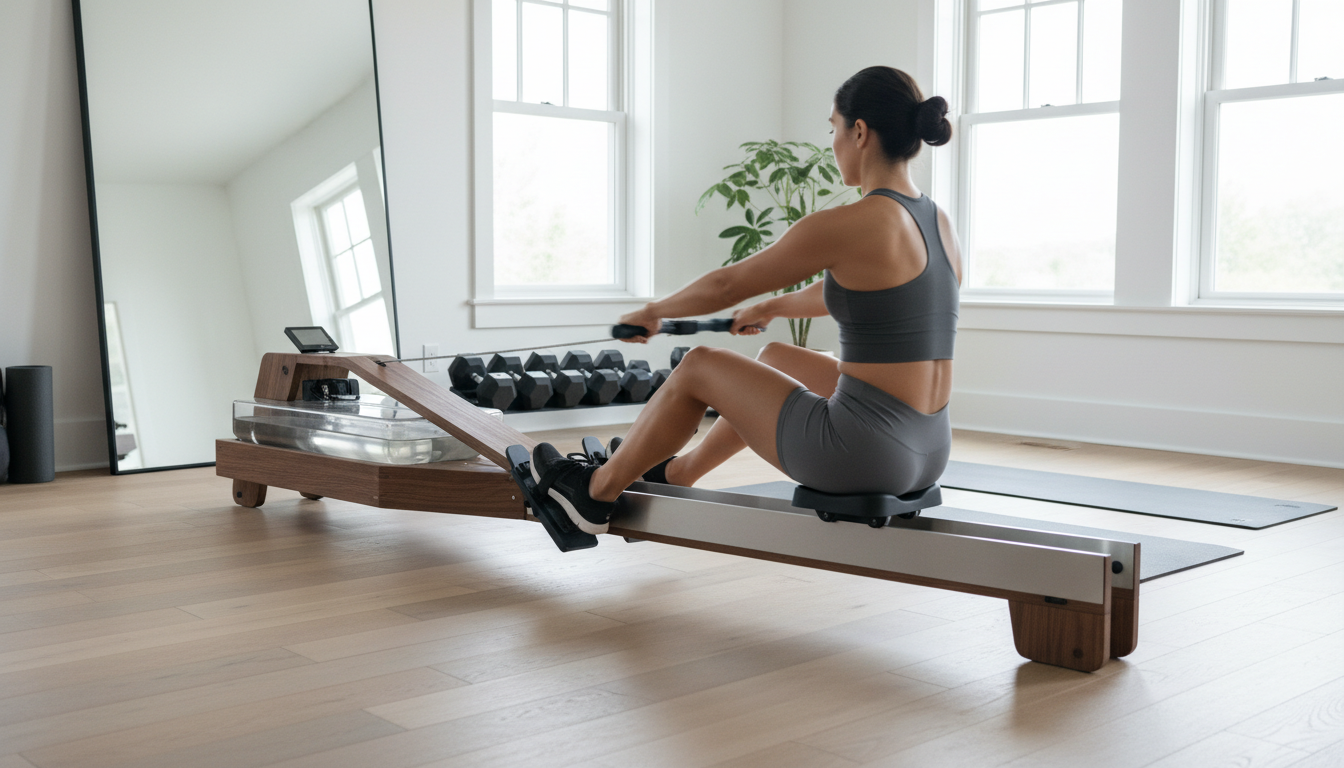
Why Choose a Rowing Machine?
A rowing machine, often affectionately called a "Rower," is one of the most underrated pieces of home fitness equipment out there. If you're tired of equipment that only works half your body or leaves you feeling beat up, the rower might be your new best friend. I love it because it’s a true full-body exercise that’s also incredibly kind to your joints.
First, it's a phenomenal cardiovascular workout. You can quickly get your heart rate up and sustain it, improving endurance and burning serious calories. But where it truly shines is its full-body engagement. Every stroke recruits your legs (quads, hamstrings, glutes), core (abs, lower back), back (lats, rhomboids), and arms (biceps, triceps, forearms). It’s like doing a squat, deadlift, and pull-up all in one motion, but without the high impact of jumping or running.
Second, it's remarkably low-impact. This makes it an excellent choice for anyone with joint sensitivities or those looking to add high-intensity training without the wear and tear on their knees and ankles. Plus, it's an exercise you can truly grow with, from gentle warm-ups to intense interval training.
Understanding Rowing Machine Resistance Types
The heart of any rowing machine is its resistance mechanism. This is what makes each stroke feel like you’re pulling against water or air. Understanding these differences is crucial for finding the right fit for your workout preferences and budget.
Magnetic Rowing Machines
Magnetic rowers use a magnetic brake system and a flywheel. You adjust the resistance level via a console or a manual dial, which moves magnets closer to or further from the flywheel. This is my go-to recommendation for most home users because they are incredibly quiet and offer a very smooth, consistent pull. You don't get the "dynamic" feel of air or water, but the silence makes them perfect for apartments or shared living spaces.
Pros: Very quiet operation, smooth and consistent resistance, often maintenance-free, precise resistance control. Cons: Can feel less "natural" than air or water rowers, resistance levels might not be as high as air/water for elite athletes.
Consider searching for a magnetic rowing machine if noise is a primary concern.
Air Resistance Rowing Machines
Air rowers generate resistance by spinning a flywheel that has fan blades. The faster and harder you pull, the more air resistance you create, mimicking the feel of rowing on water quite closely. This makes them popular in gyms and among competitive rowers for their dynamic resistance. They are often built like tanks and offer great performance feedback.
Pros: Dynamic resistance (resistance increases with effort), excellent for serious athletes and HIIT, durable. Cons: Can be quite noisy, larger footprint.
If you want a gym-like experience and don't mind the noise, an air resistance rowing machine could be a great fit.
Water Resistance Rowing Machines
Water rowers use paddles spinning in a tank of water to create resistance. This provides the most realistic on-water rowing experience, both in feel and sound. The soothing swish of the water can be quite meditative for some, making workouts more enjoyable. Like air rowers, the resistance is dynamic—the harder you pull, the more resistance you get.
Pros: Most realistic rowing feel, soothing water sound, aesthetically pleasing (often wood finishes), dynamic resistance. Cons: Can be heavier and larger, potential for water maintenance (though minimal), generally more expensive.
For an immersive and natural feel, explore water resistance rowing machines.
Hydraulic Piston Rowing Machines
Hydraulic piston rowers use one or two hydraulic cylinders to provide resistance. They are typically the most compact and least expensive option, making them ideal for very tight spaces or strict budgets. Resistance is often adjusted manually on the cylinders. The rowing motion can sometimes feel less smooth or natural compared to other types, and they might not offer the same full-body engagement if arms are worked independently.
Pros: Very compact, most affordable, lightweight. Cons: Less natural rowing motion, resistance can be less smooth or consistent, potentially less full-body engagement depending on design, cylinders can heat up during long sessions.
| Feature | Magnetic | Air | Water | Hydraulic |
|---|---|---|---|---|
| Resistance Feel | Smooth, consistent | Dynamic, powerful | Most realistic, smooth | Can be less natural |
| Noise Level | Very quiet | Noisy (fan sound) | Soothing (water swish) | Quiet to moderate |
| Price Range | Mid-range | Mid to high-end | High-end | Entry-level |
| Space Needed | Moderate, often foldable | Large, sometimes foldable | Large, often not foldable | Very compact |
| Maintenance | Very low | Low (fan cleaning) | Low (water treatment) | Low (cylinder checks) |
| Ideal User | Most home users, shared spaces | Serious athletes, HIIT training | Enthusiasts, realistic feel seekers | Budget-conscious, very small spaces |
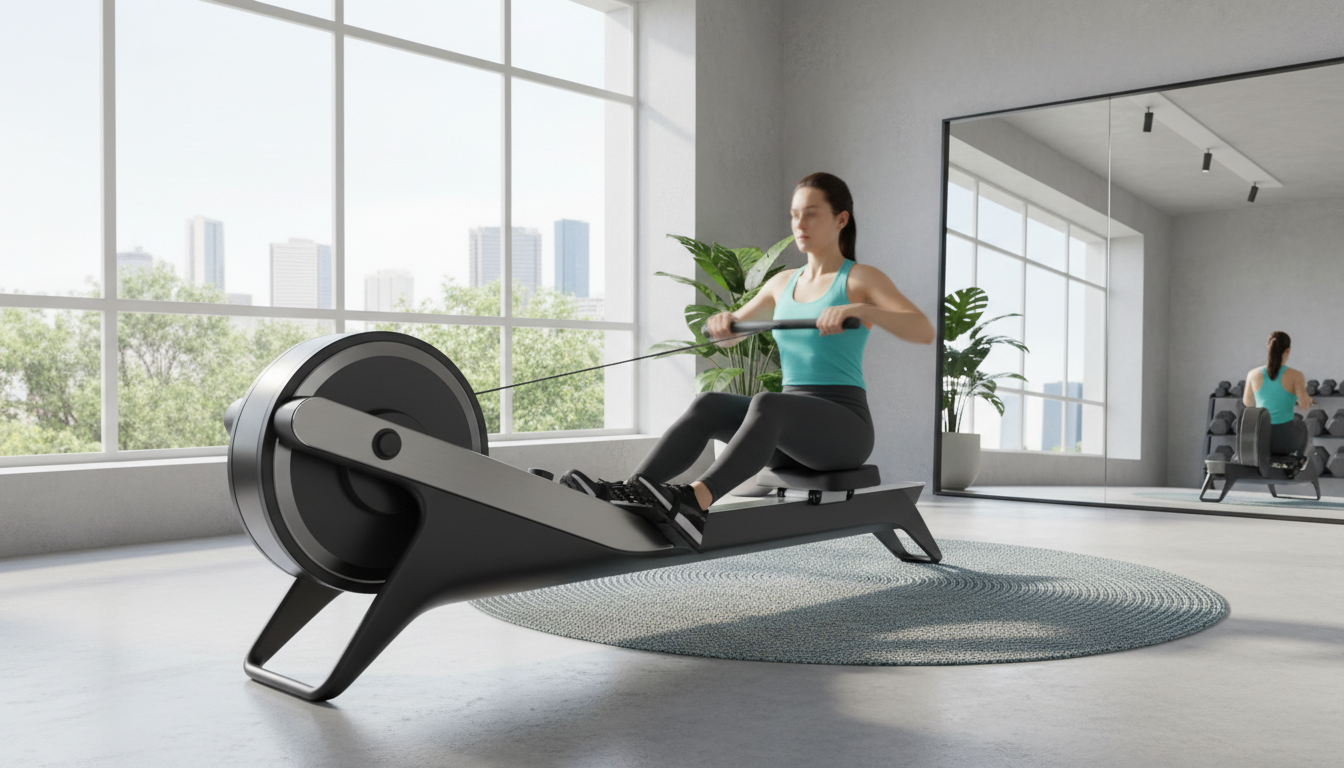
Key Factors When Buying Your First Rower
Beyond the resistance type, a few other considerations will help you narrow down the best rowing machine for your setup.
Space and Portability
Rowing machines can take up a fair amount of floor space when in use. If you live in an apartment or have a dedicated home gym, consider whether you need a foldable rowing machine. Many magnetic and air rowers offer vertical storage or folding mechanisms. Hydraulic rowers are generally the most compact overall.
Budget
Your budget will largely influence the type of rower you can get. Hydraulic piston rowers are typically the most affordable, followed by magnetic, then air and water rowers, which tend to be the most expensive. Remember to consider not just the upfront cost but also the long-term durability and features that will keep you motivated.
Noise Level
As discussed, magnetic rowers are the quietest. If you plan to work out early in the morning, late at night, or in a shared space, a magnetic rower is often the best choice to avoid disturbing others. Air rowers are the loudest, while water rowers offer a distinct, albeit generally pleasant, swishing sound.
Console and Features
Basic consoles track time, strokes, and distance. More advanced consoles can offer heart rate monitoring (some require a separate heart rate monitor), pre-programmed workouts, competitive games, and connectivity to fitness apps. Decide what data and motivation tools are important to you.
Comfort and Ergonomics
Look for a comfortable, padded seat, adjustable footrests with secure straps, and an ergonomic handle. The rail length is also important; if you’re particularly tall, ensure the machine can accommodate your full stroke length without bottoming out.
My Top Picks: Rowing Machines for Every Goal
While I don't endorse specific brands, I can describe the types of machines I'd look for based on common needs.
Best All-Around Magnetic Rower:
For most home users seeking a balance of performance, quiet operation, and value, a well-built magnetic rower is hard to beat. Look for one with a solid steel frame, a smooth sliding rail, and multiple resistance levels that are easy to adjust from the console. A comfortable, ergonomic seat and handle are non-negotiable for longer sessions.
Best Budget Hydraulic Rower:
If space and budget are your absolute top priorities, a hydraulic piston rower can get you started. Prioritize models with independently moving arms for better form and full-body engagement. Ensure the resistance can be adjusted and that the build quality feels sturdy enough for your intended use.
Best Immersive Water Rower:
For those who want the most realistic and engaging rowing experience, a water rower is an investment worth making. Seek out models known for their durable water tanks, smooth fluid motion, and comfortable, natural-feeling handles. While pricier, the experience can be highly motivating.
Getting Started with Your Rowing Machine
Once you have your rower, don't just jump on and pull! Proper form is essential for maximizing your workout and preventing injury. The stroke can be broken down into four phases: The Catch, The Drive, The Finish, and The Recovery. Focus on initiating the drive with your legs, then leaning back slightly, and finally pulling with your arms. The recovery is the reverse. There are tons of great videos online to guide you, but remember to start slow and master the movement.
Conclusion
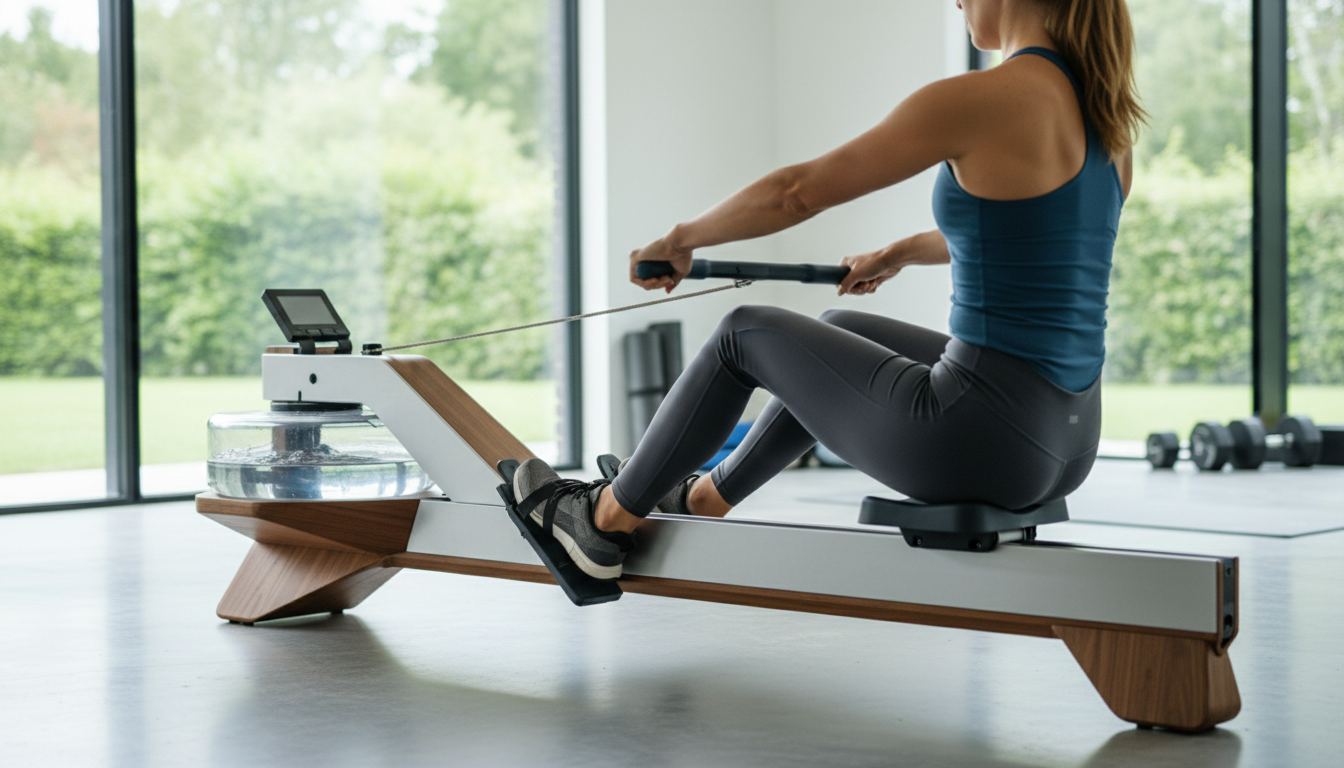
A rowing machine is a powerful addition to any home gym, offering an unparalleled full-body, low-impact workout. By understanding the different resistance types and considering your personal needs regarding space, budget, and desired features, you can confidently choose the best rower to help you achieve your fitness goals. Get ready to pull your way to a stronger, fitter you!