Is Compression Gear Worth It? Your Guide to Performance and Recovery
Disclosure: This post contains affiliate links. If you make a purchase through these links, I may earn a small commission at no extra cost to you.
Compression gear has become a staple in gyms, running tracks, and recovery rooms, promising everything from enhanced performance to faster recovery. But amidst the marketing hype, is it truly worth the investment? As someone who values practical, effective gear over fleeting trends, I've put various compression items to the test. The short answer: yes, for many, it can be a valuable addition to your fitness toolkit, especially when you understand why and how to use it. It's not a magic bullet, but when chosen correctly, compression wear offers tangible benefits that can improve your comfort during intense workouts and aid your body's bounce-back process. Let's cut through the noise and figure out what compression gear actually does and what pieces might benefit your routine.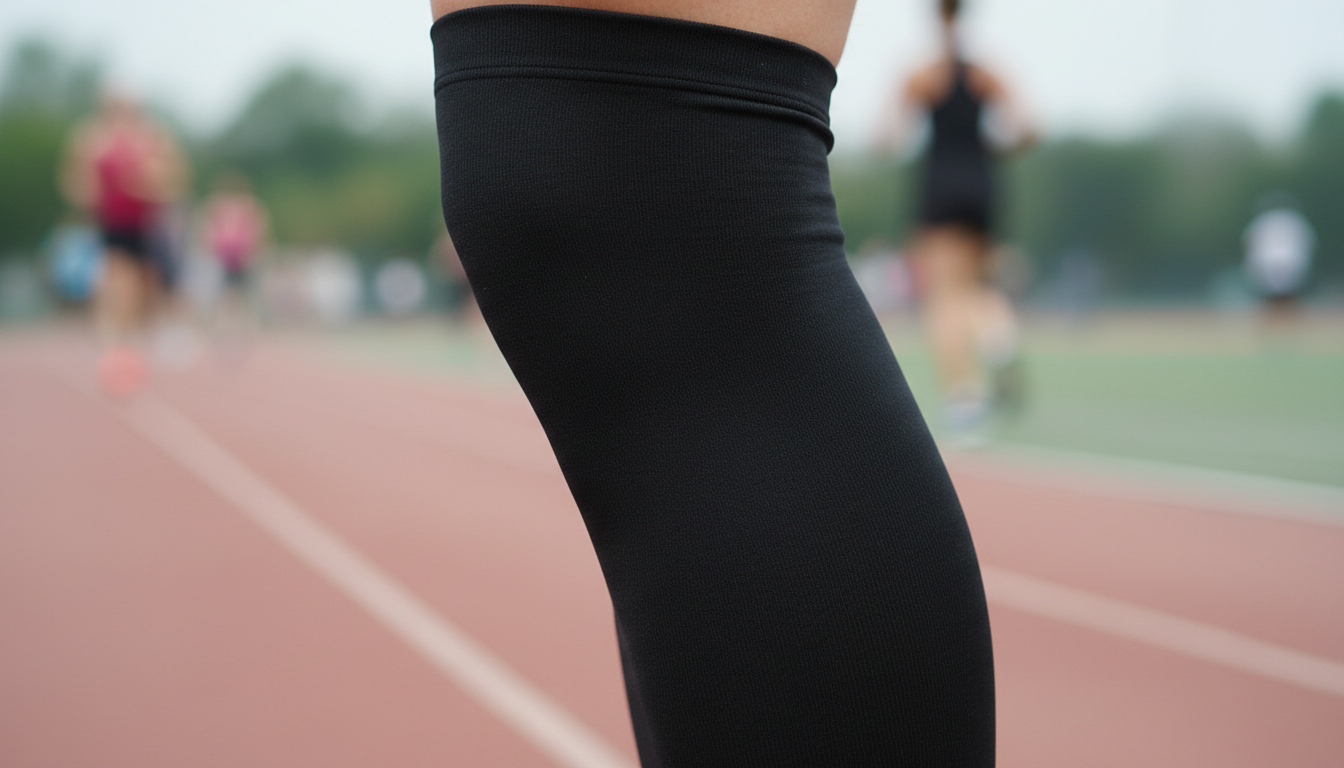
What Does Compression Gear Actually Do?
At its core, compression gear is designed to apply a measured amount of pressure to your muscles and tissues. This isn't just about making your muscles look more defined (though that's a side effect!). The primary mechanisms at play offer several tangible benefits:
- Improved Blood Circulation: The gentle pressure helps push deoxygenated blood back towards the heart, enhancing circulation. This means more oxygenated blood gets to your working muscles, potentially delaying fatigue.
- Reduced Muscle Oscillation: During high-impact activities like running or jumping, your muscles vibrate. Compression gear stabilizes these muscles, reducing oscillation, which can translate to less muscle damage and soreness.
- Enhanced Proprioception: The snug fit provides sensory feedback to your brain, making you more aware of your body's position and movement. This can improve coordination and stability during complex lifts or dynamic movements.
- Faster Lactic Acid Removal: Some studies suggest that improved blood flow aids in flushing out metabolic byproducts like lactic acid more efficiently, which can contribute to quicker recovery.
- Reduced Swelling and Inflammation: Post-workout, compression can help minimize fluid buildup, reducing swelling and the feeling of heavy, tired muscles.
Types of Compression Gear & Their Best Uses
Not all compression gear is created equal, nor is it meant for the same purpose. Understanding the different types helps you pick what's right for your activity.
Compression Shorts & Leggings
These are fantastic for lower body workouts, running, and even recovery. They provide support to your glutes, hamstrings, quads, and calves. For lifting, a good pair of men's compression shorts can help with stability during squats and deadlifts. For endurance athletes, full-length leggings offer comprehensive support and can be great for temperature regulation.
Compression Tops
While less common for lower body-focused activities, compression shirts and tanks offer benefits for upper body training and overall posture. They can support your shoulders and back, and some athletes find them useful for maintaining proper form during overhead movements or for reducing chafing during long runs.
Compression Socks & Sleeves
These are highly targeted. Athletic compression socks, often graduated, are popular with runners and travelers to prevent swelling and aid recovery in the lower legs. Calf sleeves provide similar benefits without covering the foot, which is useful if you prefer specific footwear. Arm sleeves can offer sun protection and muscle support for activities like cycling or throwing.
Is Compression Gear Really Worth the Investment?
When it comes to gym gear, I'm always looking for items that provide a noticeable, practical benefit. Compression gear, when well-selected, often hits that mark.
Pros:
- Performance Support: Many athletes report feeling more 'locked in' and supported, which can translate to better perceived performance and confidence.
- Reduced Soreness: This is where I find the biggest personal benefit. Wearing compression post-workout often leads to less DOMS (Delayed Onset Muscle Soreness).
- Injury Prevention (Minor): While not a shield against serious injury, the added stability and proprioception can help prevent minor strains or pulls.
- Comfort & Temperature Regulation: Modern compression fabrics are often moisture-wicking and breathable, keeping you cool and dry.
Cons:
- Cost: Quality compression gear can be more expensive than regular athletic wear.
- Initial Discomfort: Some people find the tight fit restrictive or uncomfortable at first.
- Not a Magic Bullet: It won't replace proper training, nutrition, or sleep for recovery and performance.
- Overhype: Be wary of exaggerated claims; focus on practical benefits.
How to Choose the Right Compression Gear for You
Ready to try it out? Here’s what to keep in mind:
- Fit is Paramount: Compression gear should feel snug, like a second skin, without being painful or restricting movement. If it's too loose, you won't get the benefits. If it's too tight, it can hinder circulation. Always check the brand's sizing chart.
- Material Matters: Look for technical fabrics that are moisture-wicking, breathable, and offer good stretch and recovery. Polyester, nylon, and spandex blends are common. Avoid cotton, which retains moisture.
- Consider Your Activity: Are you using it for high-intensity lifting, long-distance running, or post-workout recovery? Different activities might benefit from different levels of compression or specific garment types. For example, women's high-waisted compression leggings are versatile for many activities.
- Graduated vs. Uniform Compression: Some garments, especially socks, offer graduated compression, meaning it's tighter at the extremities and looser closer to the heart to aid blood flow. Uniform compression applies consistent pressure throughout.
- Budget: You don't always need to buy the most expensive brand to get good quality. Many reputable brands offer excellent compression gear at reasonable prices. Start with a foundational piece like shorts or socks to see if you like the feel and benefits.
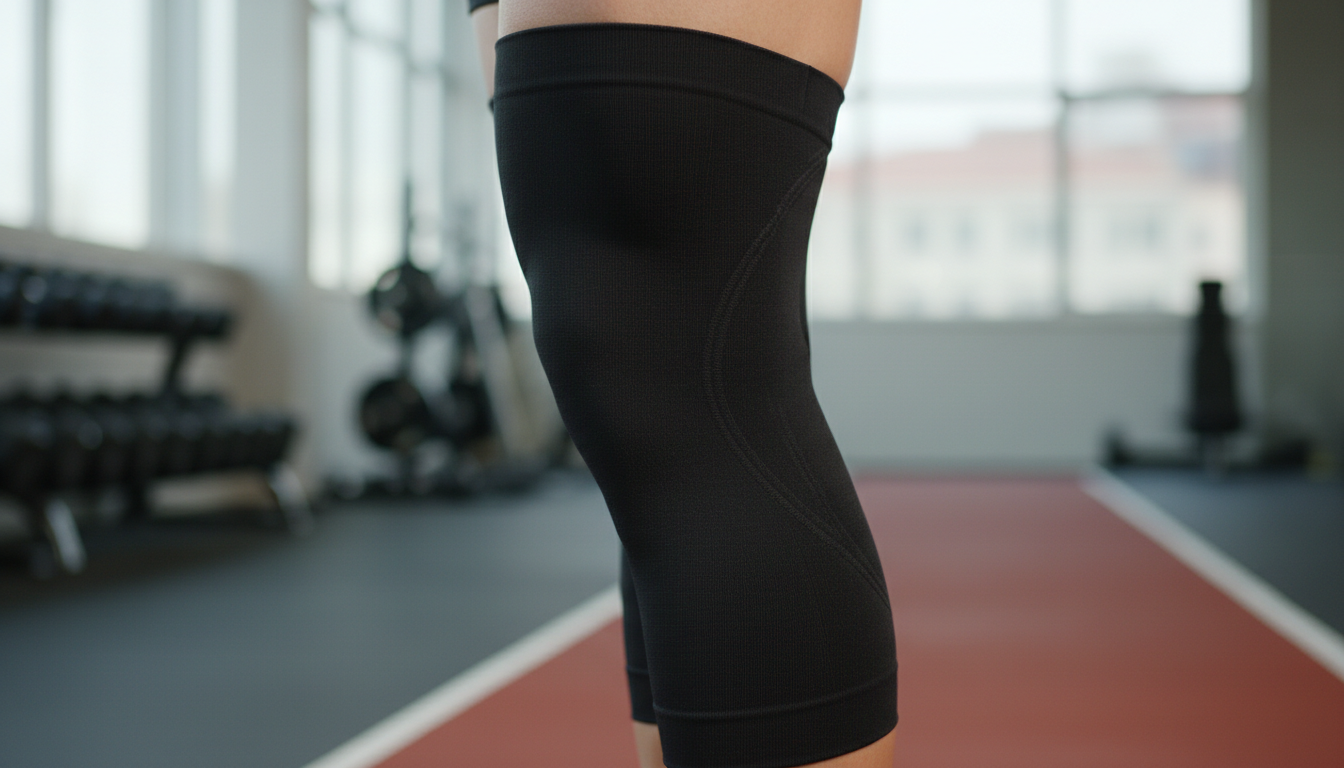
My Top Picks for Compression Gear
Based on my experience, here are a few types of compression gear that offer the most bang for your buck and provide noticeable benefits:
Versatile Compression Shorts/Leggings
A solid pair of compression shorts (for men) or full-length leggings (for women) is a great starting point. They provide broad support for your largest muscle groups during activities like squats, deadlifts, running, or HIIT. Look for flatlock seams to prevent chafing and a comfortable waistband that stays in place.
Pros:
- Excellent muscle support for lower body.
- Reduces muscle oscillation during dynamic movements.
- Can be worn under other clothing or on their own.
Cons:
- Fit can be tricky to get just right online.
- Some find them too warm for very hot environments.
Athletic Recovery Compression Socks
These are a game-changer for recovery, especially if you spend a lot of time on your feet, travel frequently, or engage in high-impact activities like running. Graduated compression socks help prevent swelling and can significantly reduce that heavy, tired leg feeling post-workout or after a long day.
Pros:
- Targeted recovery for calves and feet.
- Great for travel to prevent swelling.
- Can improve circulation and reduce fatigue.
Cons:
- Can be challenging to put on and take off.
- May feel too restrictive for some during active workouts.
Long Sleeve Compression Top
While not for everyone, a long sleeve compression top can be incredibly useful for outdoor workouts in cooler weather, as a base layer, or for upper body support. I find them particularly good for maintaining warmth and providing a subtle sense of postural awareness during long sessions.
Pros:
- Provides upper body muscle support.
- Excellent for layering in cold weather.
- Can help with arm pump and general muscle fatigue.
Cons:
- May feel too constricting for some upper body exercises.
- Less universally beneficial than lower body compression.
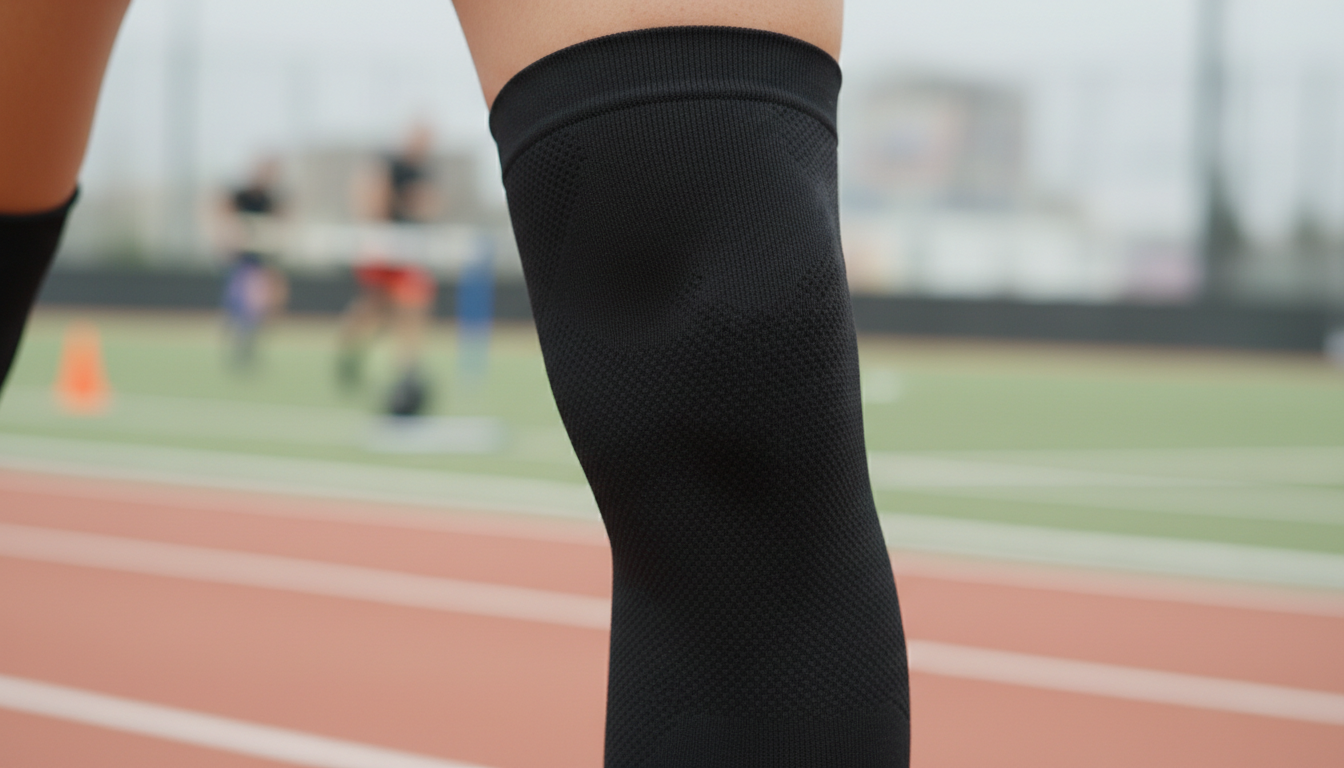
Ultimately, compression gear isn't a substitute for smart training, proper nutrition, and adequate rest, but it can be a valuable tool to optimize your efforts. Start with a single, versatile piece, get the fit right, and see if it makes a noticeable difference in your performance and recovery.